A $20 bill usually passes through your wallet without a second thought. But every so often, a mark, number, or printing detail looks just unusual enough to make you pause.
For currency collectors, those small details can matter. Certain banknotes attract attention because of unusual serial numbers, verified printing errors, or condition that makes them more desirable. Still, an odd-looking spot on a bill does not automatically mean it is rare, valuable, or worth far more than face value.
What Collectors Actually Look For
Modern U.S. currency is printed in huge quantities, and the process involves several production stages. Genuine errors can happen, but they need to be clearly connected to the printing process rather than damage that occurred later.
Collectors may look for major misalignments, missing or misplaced design elements, unusual ink issues, or other abnormalities that can be verified as production errors. These are different from everyday wear, stains, folds, pen marks, smudges, or damage from handling.
Serial numbers can also make a note more interesting. Some collectors pay attention to repeating patterns, unusual sequences, or other distinctive combinations. The value depends on the exact pattern, the bill’s condition, and current collector demand.
Why a Strange Mark May Not Mean Much
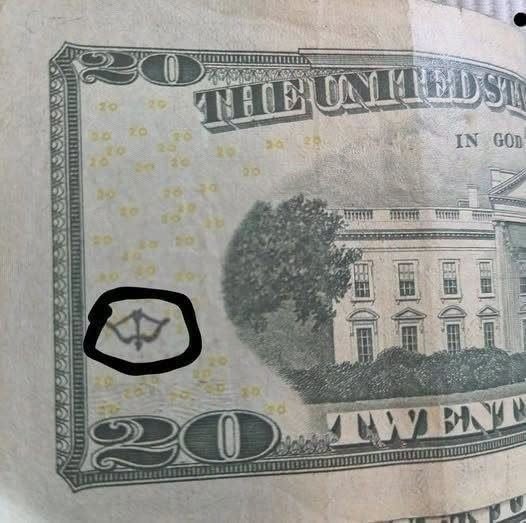
Some people notice shapes or details near the artwork of the White House on a $20 bill and wonder whether they have found something special. Before reaching that conclusion, it helps to compare the bill with another $20 note from the same series.
What looks unusual at first may be part of the normal design, a security feature, or a detail that appears different under certain lighting or magnification. A single mark, by itself, is not enough to prove that a bill is rare.
The series designation can also matter. Different versions of $20 bills may include different design features, so checking reliable references is a better starting point than relying on viral claims or social media posts.
What Readers Should Know
If you find a $20 bill that seems unusual, start with a careful inspection. Look at the serial number, the series year, the overall design, and the condition of the note. Compare it with another bill of the same type if you can.
Condition is important in currency collecting. A crisp, clean note often attracts more interest than a worn or damaged one, even when both have the same design or feature.
Be cautious with claims that ordinary-looking bills are automatically worth hundreds or thousands of dollars. Some banknotes can carry collector premiums, but serious value usually depends on evidence, rarity, demand, and authentication.
If you believe you have a genuine printing error, consider asking a reputable currency dealer or professional grading service to review it before selling, storing, or spending it. That can help separate a true production issue from normal circulation damage.
An unusual $20 bill can be a fun discovery, even if it turns out to be common. The smart move is to compare, verify, and learn what you are really looking at before assuming you have found a hidden payday.
